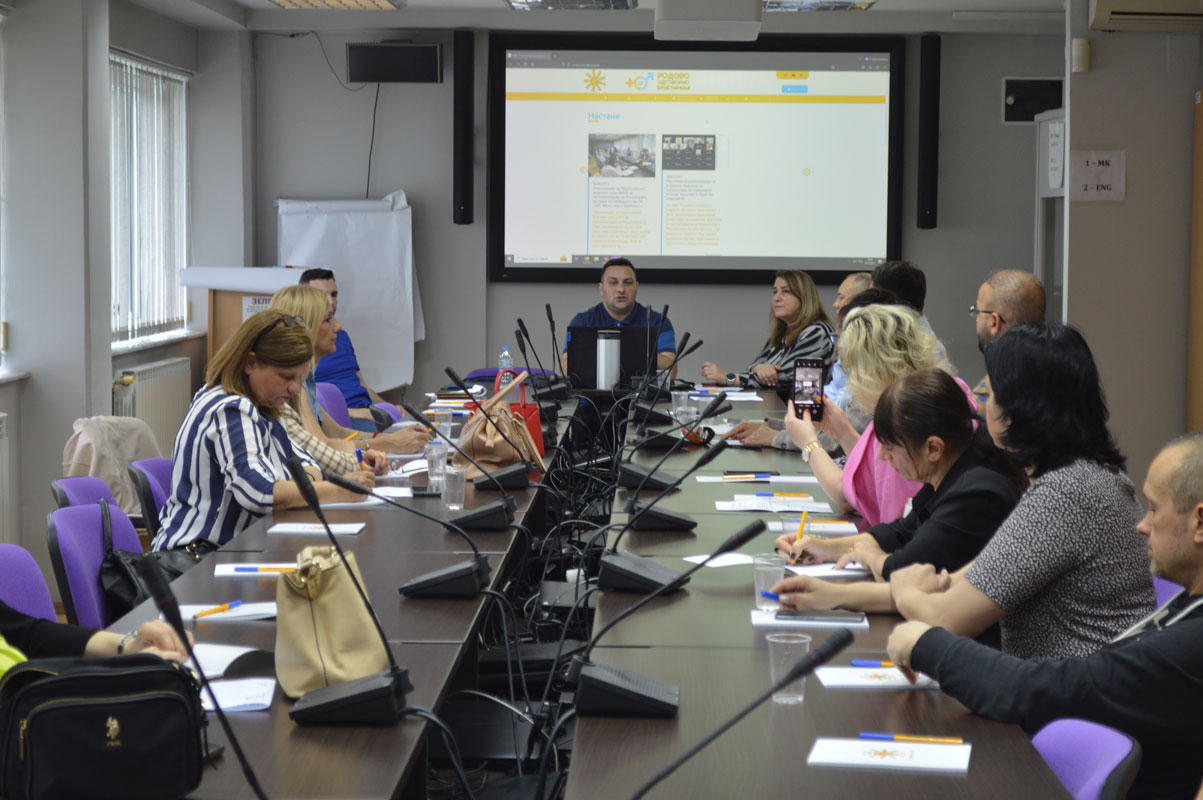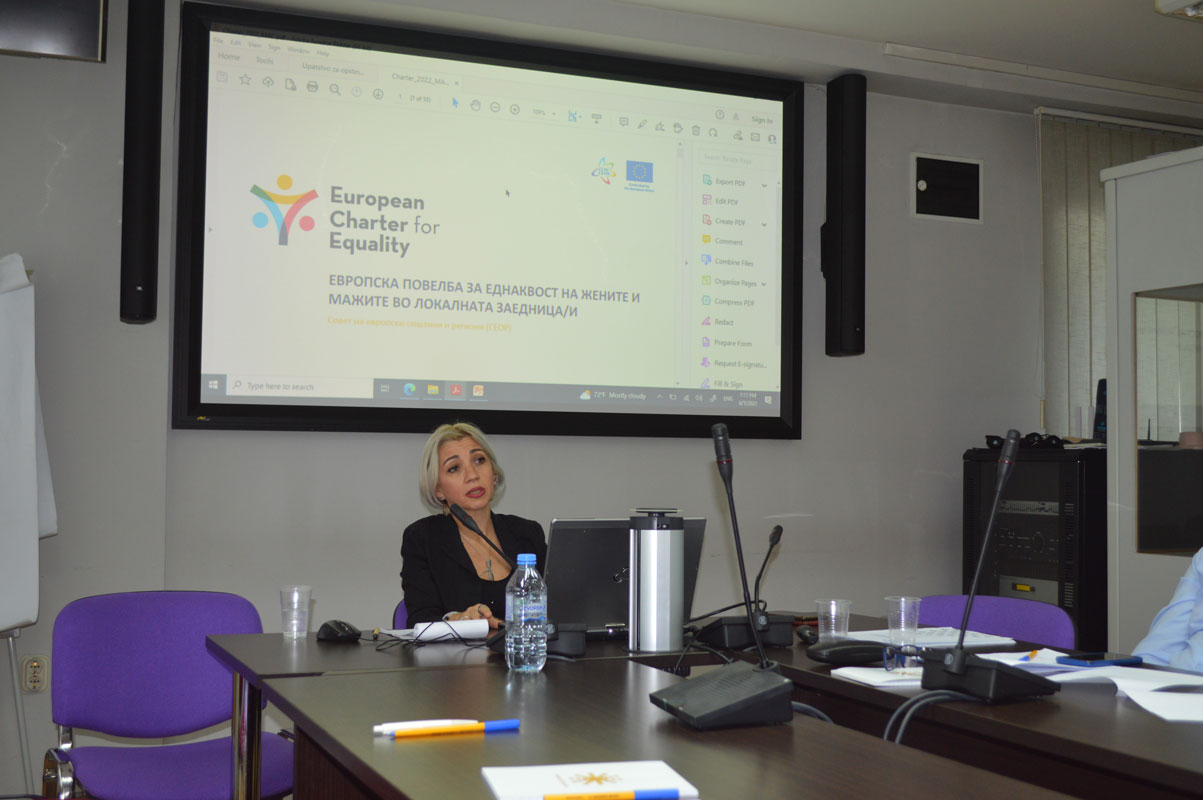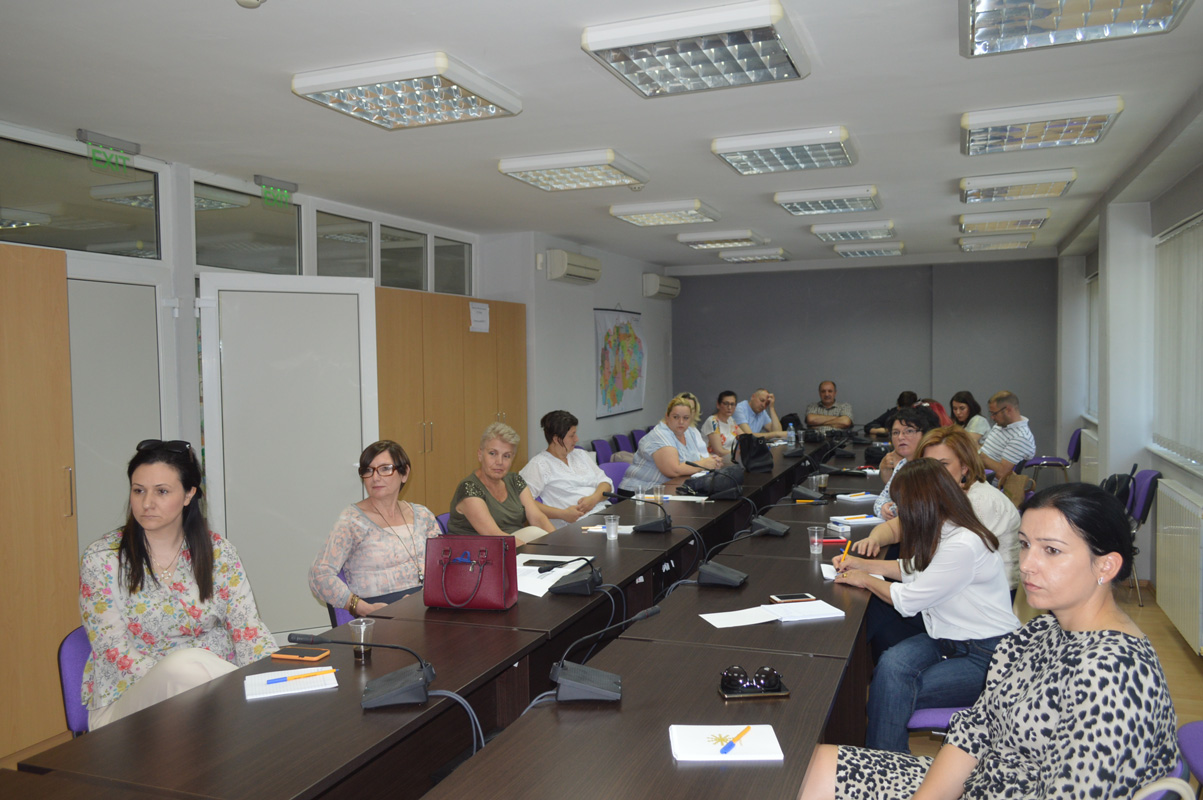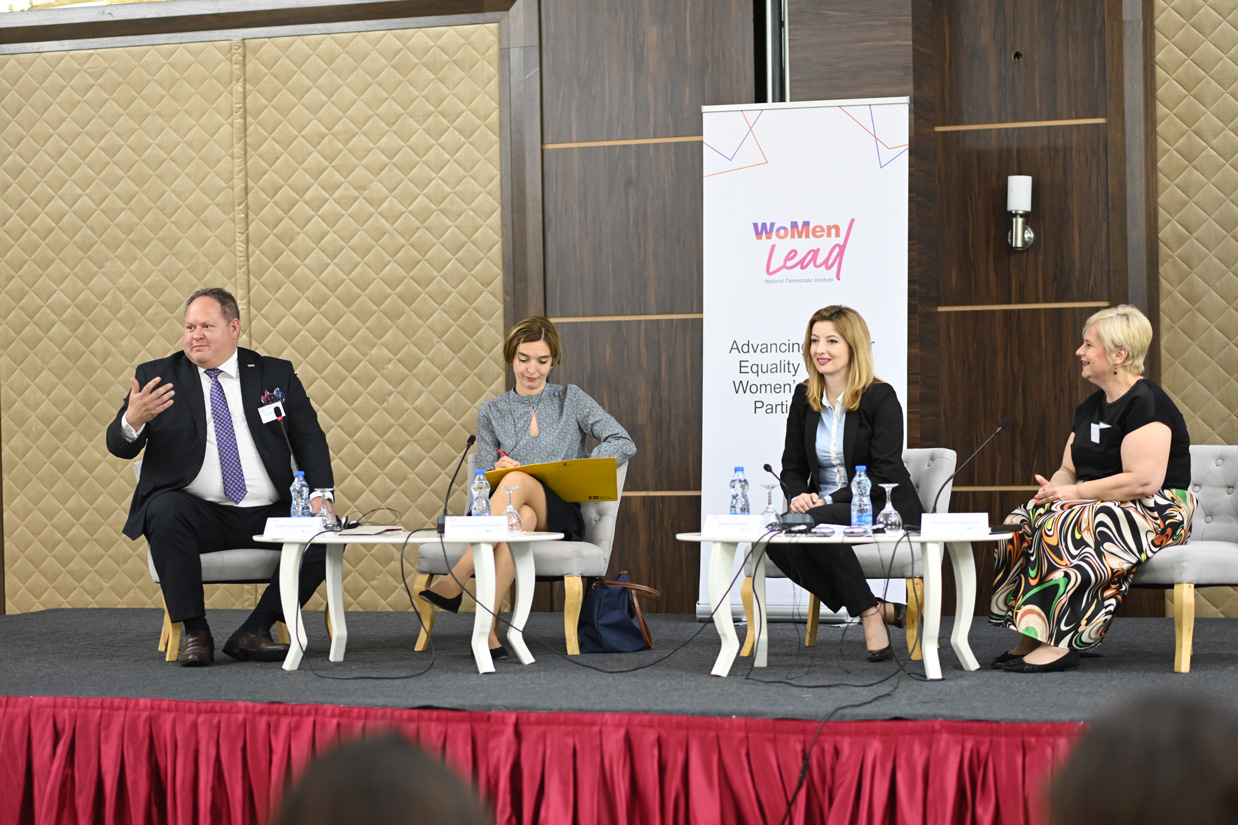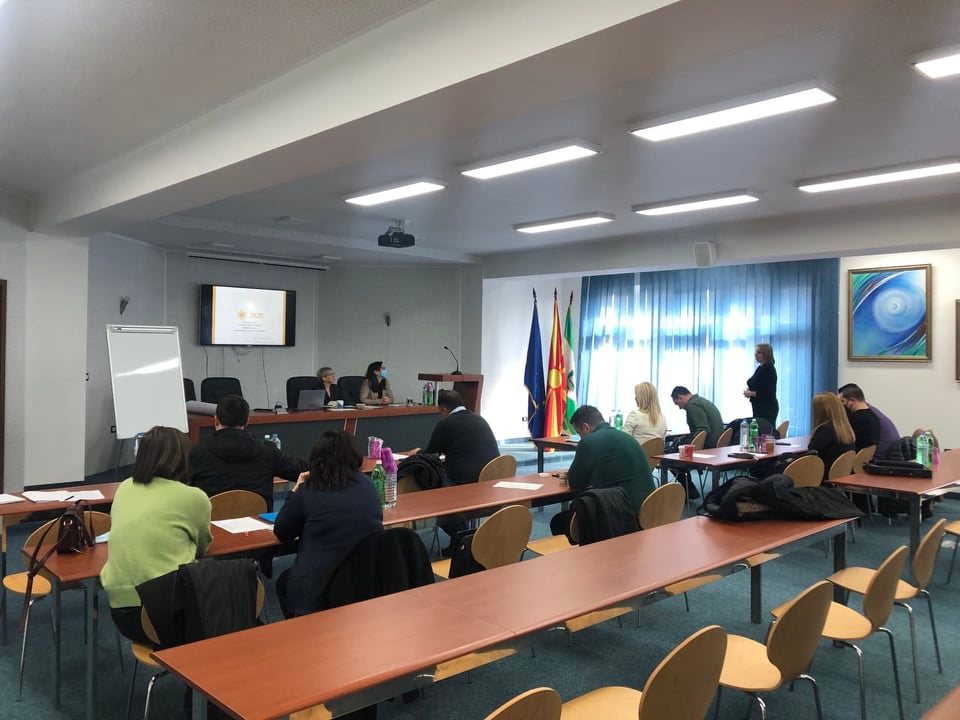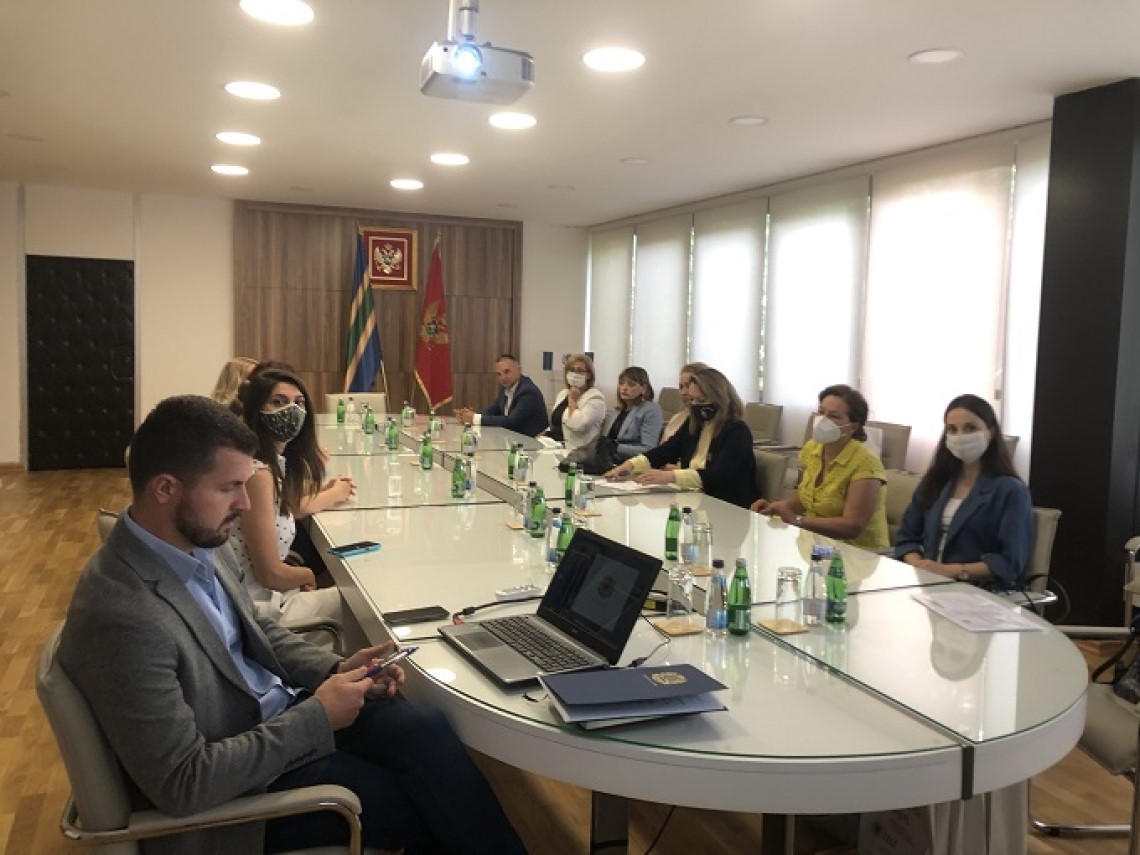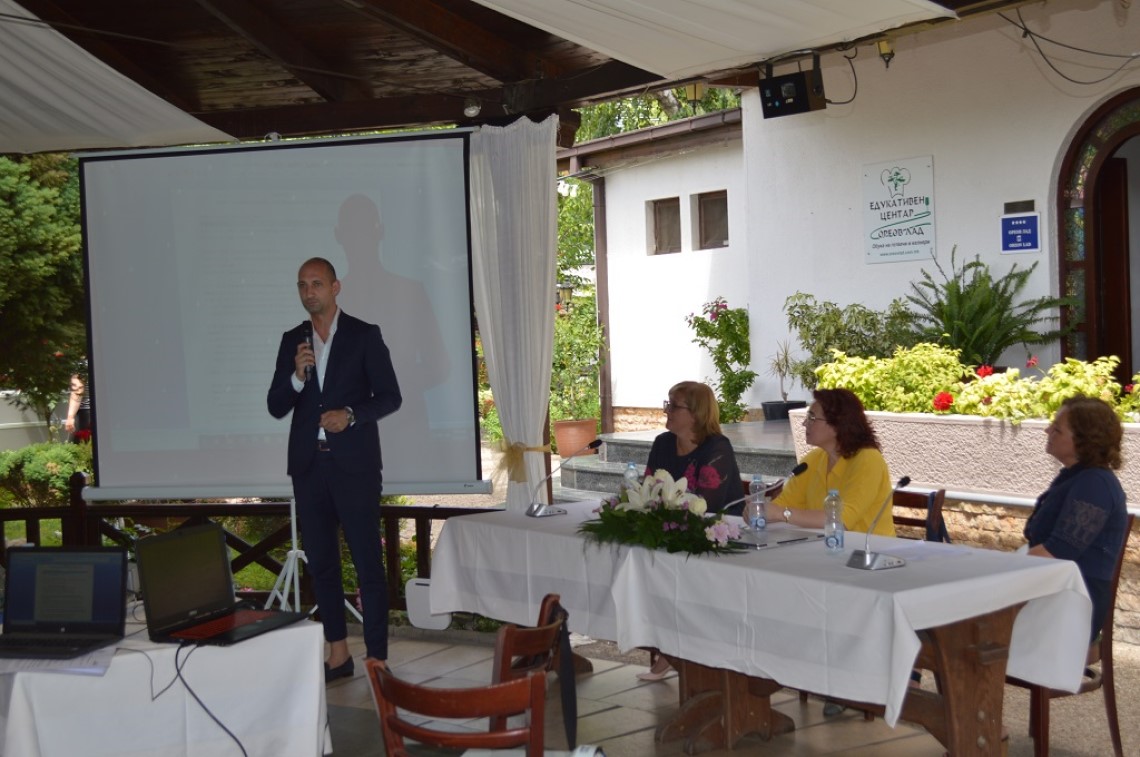







With expert support from ZELS, two good practices from local self-governments in the Republic of North Macedonia were identified, demonstrating real changes in the lives of residents of these local self-governments based on measures developed by the municipality/ies using the gender-responsive budgeting tool. The good practices from the municipalities of Vinica and the joint initiative of Prilep, Krivogashtani, and Dolneni are presented in this brochure, which is a collection of stories with a human dimension. They confirm the commitment of these municipalities, together with local governments from countries in the Southeast European region, to integrating a gender perspective into policymaking, and most importantly, how these obligations to gender equality bring tangible changes to people’s lives. The stories from the Municipality of Vinica and the three municipalities, Prilep, Krivogashtani and Dolneni, are presented under the themes of the care economy, healthcare, and social protection.
The Municipality of Vinica is featured with the practice: Improving access to gynaecological services for Roma women from rural areas. Supported by the Gender Budget Watchdog Network (GBWN) and in partnership with local civil society organisations and the Centre for Public Health Vinica, the municipality launched a pilot initiative to integrate gender-responsive budgeting (GRB) into local healthcare planning. The goal was to develop measures that utilise municipal resources and programs in line with the real needs of women and men, especially those facing intersectional discrimination, such as Roma women. The measure enabled free gynaecological examinations for more than 70 Roma women, 90% of whom were examined for the first time, and 87% stated they would participate again.
The practice from Prilep, Krivogashtani, and Dolneni focuses on home care services for the elderly. It is presented as a transformation of care and gender relations through a pioneering model in which unpaid care work traditionally performed by women becomes recognised and formal employment, while also ensuring dignity and independence for elderly citizens. This practice is the result of collaboration with the Association Centre for Development and Education from Prilep, together with the municipalities of Prilep, Krivogashtani, and Dolneni. The measure covered 170 elderly beneficiaries, while 40 caregivers (80% women) were trained and employed.
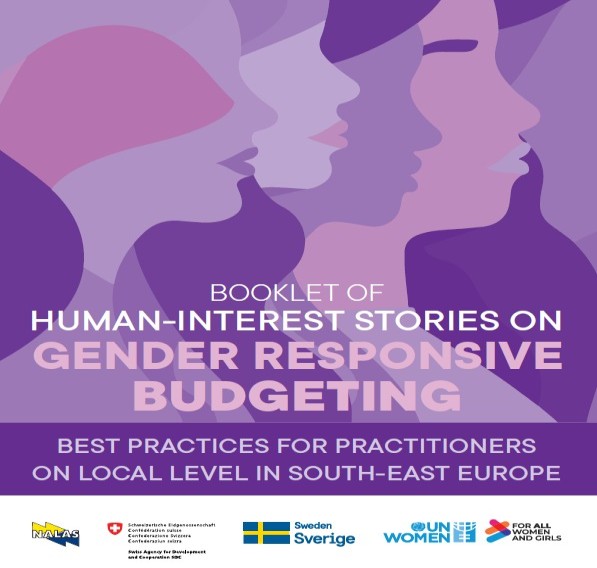
This brochure is published by NALAS with financial support from UN Women, using a methodology for collecting best practices in gender-responsive budgeting and knowledge management. These stories aim to assist local self-governments as examples for bridging the gender gap that arises between policies and reality in the community, emphasising inclusivity, fair and equal distribution of resources, and equal access to services, focusing on women, men, and vulnerable groups.
In line with the methodology for collecting best practises and the criteria that were part of it, ZELS identified several good practices, but the stories from the Municipality of Vinica and the municipalities of Prilep, Krivogashtani, and Dolneni were selected as the best examples, demonstrating the application of GRB as a tool for social transformation and responsible budgeting. The best practices were selected based on three main criteria: (1) effectiveness – assessing whether the practice works well and shows measurable results in advancing gender equality; (2) replicability – determining whether the practice can be adapted and applied in other local contexts; and (3) learning potential – evaluating the extent to which the practice generates knowledge, inspires innovation, and contributes to institutional learning. These criteria ensure that each selected example represents a sustainable, inclusive, and results-oriented approach to gender-responsive budgeting. The ultimate goal is for local officials, practitioners, and policymakers to learn from these proven approaches, replicate successful models, and encourage new, innovative solutions that advance gender equality across the Southeast European region. The brochure includes 16 best practices from Albania, Bosnia and Herzegovina, Montenegro, the Republic of North Macedonia, Moldova, Turkey, and Kosovo. The stories focus on areas such as women’s economic empowerment and employment; inclusive rural growth; care economy, healthcare, and social protection; culture, sports, and inclusion; education, awareness-raising, and prevention of gender-based violence; protection and response systems for gender-based violence; women and peacebuilding; and data, governance, and integrating gender-based violence into mainstreaming. The brochure represents a valuable learning resource and promotes municipalities that demonstrate leadership, innovation, and courage in advancing gender equality through local action. ZELS will share it with all municipalities and publish it on its website and platform www.rob.zels.org.mk.